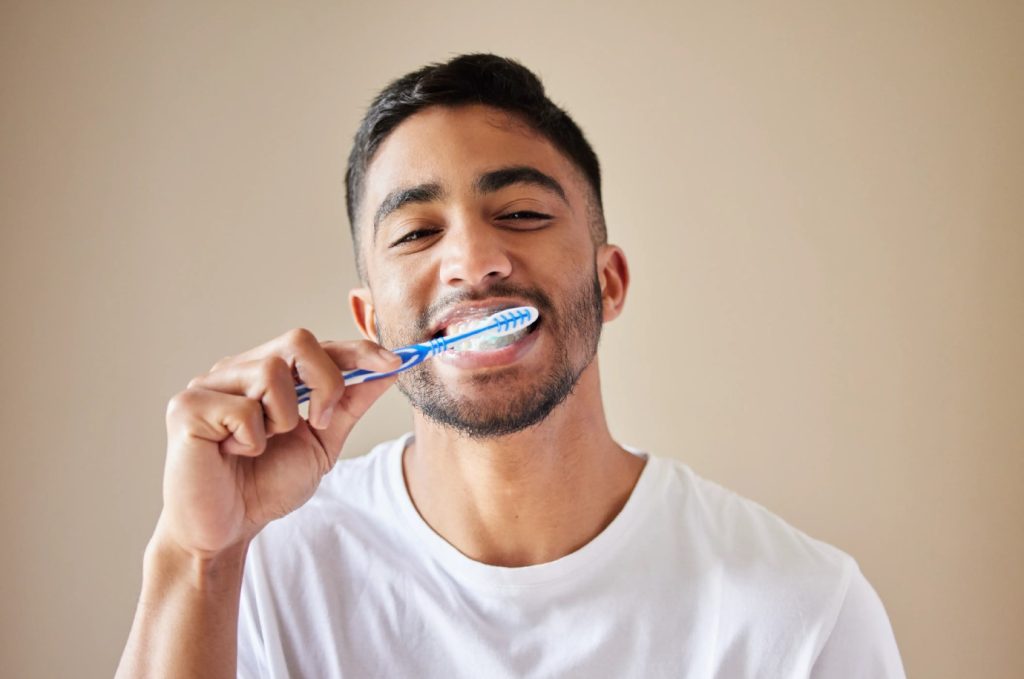
How Wellness Routines Can Improve Oral Health
Most people treat oral health as its own separate category, something to think about when brushing before bed or sitting in the dentist’s chair. In reality, your mouth is deeply connected to nearly every other aspect of your health. It is often described as a window into your overall wellbeing, and the daily habits you build around nutrition, hydration, sleep, and stress management all show up there eventually. Approaching dental care as part of a broader wellness lifestyle, rather than a standalone task, tends to produce results that feel both natural and lasting. Small, consistent choices really do compound over time.
The Role of Nutrition in Keeping Your Mouth Healthy
What you eat shapes your teeth, gums, and jawbone in more ways than most people realize. Diets built around leafy greens, dairy, lean proteins, and crunchy vegetables supply key minerals like calcium and phosphorus that reinforce tooth enamel from within. Diets heavy in sugar and processed foods, on the other hand, create an environment where cavity-causing bacteria thrive. Making thoughtful food choices is one of the simplest and most effective ways to support your oral health at the source. Even modest swaps, like reaching for water instead of soda or grabbing a handful of almonds rather than candy, can shift the trajectory of your dental health over time.
Hydration and Its Surprising Impact on Your Teeth
Proper hydration benefits nearly every system in your body, and your mouth is no exception. Saliva is your mouth’s built-in defense against harmful bacteria, and it relies on consistent fluid intake to do its job well. When dehydration sets in, saliva production drops, leaving your teeth more susceptible to decay and your gums more prone to irritation. Drinking plenty of water throughout the day helps rinse away food debris and neutralize the acids that gradually erode enamel. Choosing fluoridated tap water adds another layer of protection, giving your teeth a quiet but meaningful boost with every sip.
Stress Management and Oral Health
Chronic stress tends to show up in places people do not always expect, and the mouth is one of them. Elevated stress levels are closely tied to bruxism, or teeth grinding, which quietly wears down enamel and can lead to persistent jaw pain if left unaddressed. Stress also suppresses the immune system, making it harder for your body to fight off gum infections or bounce back after dental work. Practices like meditation, yoga, and regular exercise are genuinely effective at reducing the stress hormones that take a toll on your oral environment. Taking care of your mental health, then, turns out to be a meaningful investment in your dental health as well.
Sleep Quality and Dental Wellness
Quality sleep is one of the more underestimated pillars of oral health, and it deserves a spot in any serious wellness conversation. While you sleep, your body shifts into repair mode, tending to gum tissue and maintaining the integrity of the bone structures that support your teeth. Chronic poor sleep is associated with increased inflammation throughout the body, including the gums, which can speed up the progression of periodontal disease. Sleep apnea, a condition tied to disrupted nighttime breathing, also contributes to dry mouth and raises the risk of cavities. Treating sleep as a health priority, not just a recovery period, pays dividends in your mouth as much as anywhere else.
When Wellness Meets Professional Dental Care
Healthy lifestyle habits work best when they are paired with consistent professional dental care. Routine cleanings and checkups catch issues that even the most disciplined wellness routine cannot fully prevent. Impacted or problematic wisdom teeth, for instance, are not something that diet or hydration can resolve on their own. When patients choose wisdom teeth removal in Fort Worth, it often fits naturally into a broader commitment to long-term oral health, complementing the positive habits they have already put in place. Partnering with a dental professional means your everyday efforts are supported by expert guidance exactly when it counts.
Conclusion
Oral health is not something you achieve through a single habit or a twice-yearly cleaning. It grows out of consistent daily choices, thoughtful nutrition, steady hydration, managed stress, and timely professional care all working in the same direction. When dental wellness becomes part of your broader health routine rather than an afterthought, the results tend to follow. Fewer surprises at the dentist’s office, a stronger foundation for your overall health, and a smile that reflects the care you have put into your whole self.