Information on How Assisted Living Communities Handle Medical Emergencies
How Assisted Living Communities Handle Medical Emergencies
A medical emergency can turn on a dime. Response time matters — sometimes enormously. Assisted living communities exist, in part, to make sure someone is already there when a crisis unfolds. Knowing how these communities prepare for the worst helps families feel something closer to peace when a loved one moves in.
Emergency Response Protocols and Training
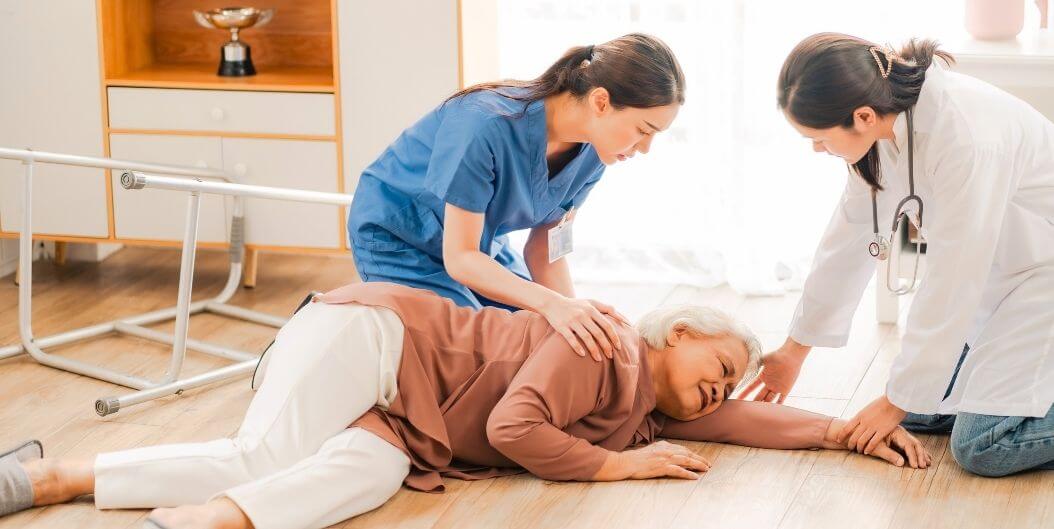
These communities don’t wing it. Each one builds out detailed emergency response plans covering a wide range of scenarios — falls, chest pain, sudden confusion, labored breathing. Staff learn to spot the warning signs. Then they practice. Drills, simulations, repeat. So when something real happens, the muscle memory kicks in before panic can. Communication lines get established early: whoever notices the problem knows exactly who to tell, and that message moves fast — up to supervisors, across to medical personnel. Written protocols stay posted throughout the building, visible during the moments when stress scrambles memory. Structure, in a crisis, is everything.
On-Site Medical Staff and Equipment
Most communities keep registered nurses or licensed practical nurses on staff. During business hours they’re present; evenings and weekends, many remain on call. That coverage matters. So does the equipment — AEDs, oxygen, first aid supplies, all of it staged in accessible spots that staff can reach without hunting. And staff know where everything is. They’ve been trained on how to use it. Beyond gear, communities maintain detailed resident records: current medications, known allergies, existing conditions. When paramedics arrive, they don’t start from zero. They get a full picture, fast. That handoff can shape outcomes in ways that are hard to overstate.
Communication With Family and Emergency Services
The moment a serious emergency surfaces, two calls get made. One to 911. One to the family. Neither waits for the other. Emergency responders receive the resident’s medical history, medication list, and any standing instructions — no scrambling, no gaps. Meanwhile, the designated family contact learns what happened and where their loved one is headed. Updates continue from there. Nobody gets left guessing in a hallway somewhere, wondering. That kind of communication doesn’t just ease anxiety — it keeps everyone in the resident’s care circle working from the same information at the same time.
Preparation and Prevention Strategies
The best emergency response is the one that never gets triggered. Assisted living communities invest heavily in prevention. Care partners do routine wellness checks — not clipboard formalities, but actual conversations about how residents are feeling, what side effects they’re noticing, what seems off. Common areas and private rooms get evaluated for fall hazards: pathways cleared, lighting improved, grab bars installed where needed. Mobility limitations get revisited regularly, not filed away and forgotten. Memory care settings require a different layer of vigilance; behavioral shifts and subtle cognitive changes can signal something medical before any obvious symptom appears. GLOW℠ Memory Care in New Orleans is one example of a specialized community that weaves these targeted monitoring approaches into everyday routines. Residents themselves get encouraged — actively — to speak up the moment something feels wrong rather than waiting it out alone. Catch problems early enough, and they rarely become emergencies at all.
Post-Emergency Care and Follow-Up
When the acute moment passes, the work isn’t over. Far from it. The resident needs support while recovering — physically and emotionally — and their care needs may have shifted in ways that require immediate adjustment. If they were hospitalized, the community coordinates with the facility to make the return transition as smooth as possible. Care partners look back at what happened: what led up to it, how it unfolded, what could be done differently. Everything gets documented — the incident itself, how staff responded, and what the experience revealed about gaps worth closing. Families stay in the loop throughout, learning about their loved one’s condition and any changes made to the care plan going forward.
Conclusion
Medical emergencies don’t announce themselves. But a well-run assisted living community doesn’t need advance warning — it’s already prepared. Trained staff, staged equipment, clear communication channels, and prevention-first thinking all work together so that when something goes wrong, the response is immediate and coordinated. Families don’t have to hope for the best. They can look at the systems in place — the protocols, the staffing, the follow-through — and make real, informed decisions about the kind of care their loved ones deserve. That’s what this kind of preparation actually provides: not just safety, but confidence.