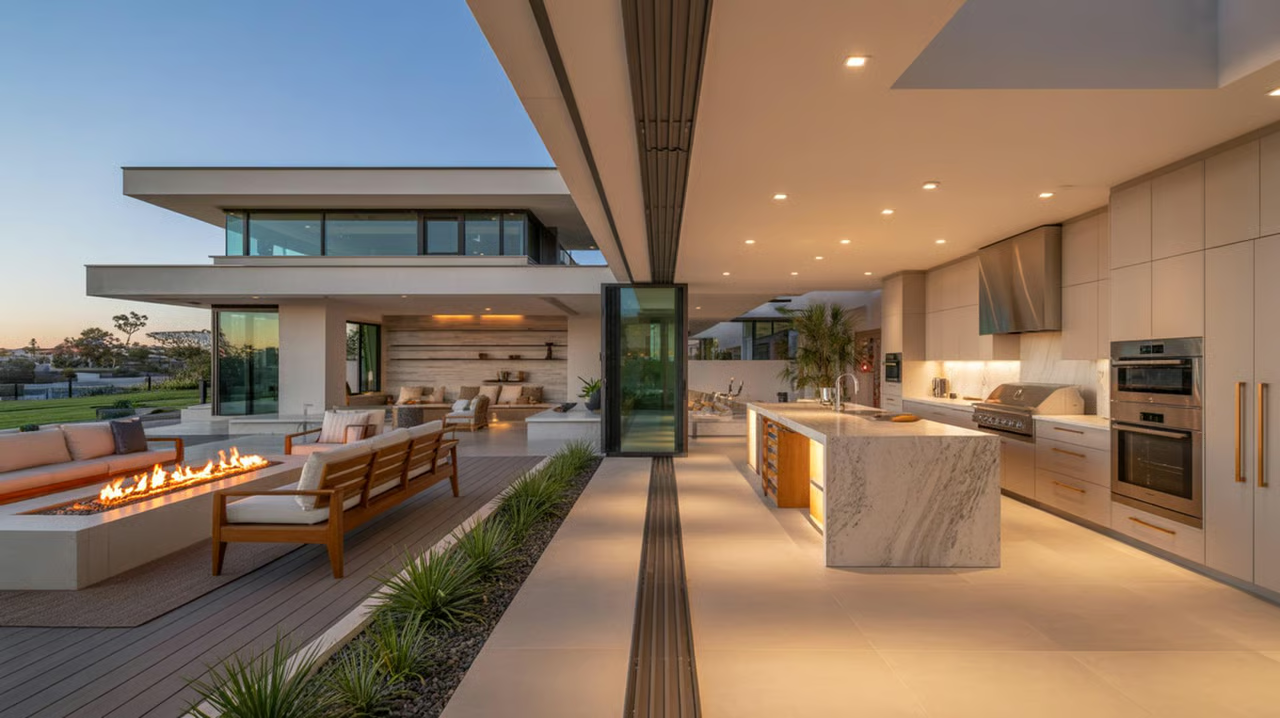
Home Improvement Trends: Sustainable Materials, Smart Home Technology, Aging-in-Place Design, Outdoor Living Spaces, Energy-Efficient Upgrades, and Remodeling Ideas Worth the Investment
Home improvement has evolved beyond making a house look attractive. Today, homeowners are focusing on projects that increase comfort, improve energy efficiency, reduce maintenance costs, and add long-term value. Whether you’re planning a complete renovation or making gradual upgrades, understanding current home improvement trends can help you invest wisely.
Modern buyers are also looking for homes that are functional, environmentally friendly, and equipped with smart technology. As a result, remodeling projects that combine style with practicality are becoming more desirable than ever.
Why Following Home Improvement Trends Matters
Not every renovation increases a home’s value. Some projects may cost thousands without offering significant benefits. The latest home improvement trends focus on creating homes that are healthier, more efficient, and easier to maintain.
Benefits include:
- Lower utility bills
- Improved comfort
- Increased property value
- Better indoor air quality
- Enhanced safety
- Greater convenience
- Long-term durability
- Reduced environmental impact
Choosing improvements with lasting value helps homeowners enjoy their homes today while preparing them for future resale.
Sustainable Materials Are Becoming the New Standard
Sustainability is no longer a niche concept. Eco-friendly materials are now widely available and often outperform traditional options.
Reclaimed Wood
Reclaimed wood is sourced from old barns, factories, and buildings instead of newly harvested trees. It adds character while reducing waste.
Common uses include:
- Flooring
- Accent walls
- Ceiling beams
- Furniture
- Kitchen shelving
Each piece has unique grain patterns and history, making every installation one of a kind.
Bamboo Flooring
Bamboo grows much faster than hardwood trees, making it a renewable alternative.
Advantages include:
- High durability
- Modern appearance
- Moisture resistance
- Easy maintenance
- Environmentally friendly production
Quality bamboo flooring can last for decades with proper care.
Recycled Building Materials
Many manufacturers now produce products using recycled content.
Popular options include:
- Recycled glass countertops
- Composite decking
- Recycled metal roofing
- Reclaimed bricks
- Recycled insulation
These materials reduce landfill waste without sacrificing performance.
Low-VOC Paints
Traditional paints may release volatile organic compounds (VOCs), affecting indoor air quality.
Low-VOC paints offer:
- Less odor
- Safer indoor environments
- Better air quality
- Similar durability to conventional paints
They are especially beneficial for families with children, pets, or allergy sufferers.
Smart Home Technology Continues to Expand
Technology has transformed modern homes. Smart devices improve convenience while helping homeowners save energy.
Smart Thermostats
Smart thermostats automatically adjust heating and cooling schedules based on occupancy and preferences.
Benefits include:
- Reduced energy consumption
- Lower monthly bills
- Remote control through smartphone apps
- Customized temperature schedules
Many homeowners recover their investment within a few years through energy savings.
Smart Lighting
Smart lighting systems allow homeowners to control lights remotely or automate them.
Features include:
- Motion sensors
- Voice commands
- Scheduled operation
- Adjustable brightness
- Color-changing options
These systems improve both convenience and security.
Smart Security Systems
Home security has become more sophisticated.
Popular features include:
- Video doorbells
- Motion detection
- Indoor cameras
- Outdoor surveillance
- Smartphone alerts
- Remote locking systems
Many systems can be installed without professional wiring.
Smart Appliances
Modern kitchens increasingly feature connected appliances.
Examples include:
- Refrigerators with inventory tracking
- Wi-Fi ovens
- Voice-controlled microwaves
- Smart dishwashers
- Connected washing machines
These appliances simplify everyday tasks while improving energy efficiency.
Aging-in-Place Design Is Growing in Popularity
More homeowners want to remain in their homes as they age rather than move into assisted living communities.
Aging-in-place design focuses on safety, accessibility, and independence.
Zero-Step Entries
Removing steps at entrances makes homes easier to access.
Benefits include:
- Wheelchair accessibility
- Easier movement for strollers
- Safer entry during winter
- Improved resale appeal
Wider Doorways
Traditional doorways can restrict mobility.
Wider doors accommodate:
- Wheelchairs
- Walkers
- Medical equipment
- Future accessibility needs
Walk-In Showers
Walk-in showers reduce fall risks compared to traditional bathtubs.
Many include:
- Built-in benches
- Handheld showerheads
- Slip-resistant flooring
- Grab bars
These features benefit users of all ages.
Better Lighting
As eyesight changes with age, improved lighting becomes essential.
Recommended upgrades include:
- Under-cabinet lighting
- Motion-activated hallway lights
- Brighter LED fixtures
- Stair lighting
- Night lights
Good lighting reduces accidents while improving comfort.
Outdoor Living Spaces Are More Functional Than Ever
Outdoor spaces have become natural extensions of the home.
Instead of basic patios, homeowners are creating complete outdoor living environments.
Outdoor Kitchens
Outdoor kitchens continue to gain popularity.
Typical features include:
- Built-in grills
- Refrigerators
- Prep counters
- Storage cabinets
- Pizza ovens
- Outdoor sinks
These spaces make entertaining easier throughout the year.
Covered Patios
Covered patios provide protection from both sun and rain.
Popular additions include:
- Ceiling fans
- Outdoor lighting
- Fireplaces
- Weather-resistant furniture
- Television mounts
These upgrades increase usable living space.
Fire Pits
Fire pits create gathering spaces during cooler evenings.
Options include:
- Wood-burning
- Natural gas
- Propane
- Portable models
- Permanent stone installations
They provide warmth while enhancing outdoor ambiance.
Outdoor Lighting
Well-designed lighting improves safety and aesthetics.
Popular choices include:
- Pathway lights
- Landscape lighting
- Deck lighting
- Accent lighting
- Solar-powered fixtures
Lighting also enhances security after dark.
Energy-Efficient Upgrades Save Money
Energy-efficient remodeling remains one of the smartest long-term investments.
Better Insulation
Proper insulation helps maintain indoor temperatures throughout the year.
Areas to upgrade include:
- Attics
- Exterior walls
- Crawl spaces
- Basements
Improved insulation reduces heating and cooling costs significantly.
Energy-Efficient Windows
Modern windows provide better insulation than older models.
Benefits include:
- Lower energy bills
- Less outside noise
- Improved comfort
- UV protection
- Reduced condensation
Double-pane and triple-pane windows offer excellent thermal performance.
High-Efficiency HVAC Systems
Heating and cooling account for a large portion of household energy use.
New HVAC systems provide:
- Better temperature control
- Lower operating costs
- Improved humidity management
- Quieter performance
Routine maintenance further increases efficiency.
Solar Panels
Solar power continues to become more affordable.
Advantages include:
- Lower electricity bills
- Renewable energy production
- Reduced carbon footprint
- Potential tax incentives
- Increased home value
Many homeowners pair solar panels with battery storage for backup power.
Heat Pump Water Heaters
Heat pump water heaters use significantly less electricity than traditional models.
Benefits include:
- Lower operating costs
- Long lifespan
- Reduced greenhouse gas emissions
- Efficient year-round performance
Remodeling Ideas Worth the Investment
Some renovations consistently deliver better returns than others.
Kitchen Remodeling
The kitchen remains one of the most valuable areas to upgrade.
Smart improvements include:
- Cabinet refacing
- Quartz countertops
- Modern lighting
- New appliances
- Updated backsplashes
- Better storage solutions
Even modest kitchen renovations can greatly improve resale value.
Bathroom Renovations
Bathrooms play a major role in buyer decisions.
Popular upgrades include:
- Walk-in showers
- Floating vanities
- Water-saving fixtures
- Heated floors
- Improved ventilation
- LED mirrors
Modern bathrooms feel luxurious while remaining practical.
Fresh Interior Paint
Painting remains one of the most affordable improvements.
Neutral colors help homes appear:
- Larger
- Brighter
- Cleaner
- More inviting
Fresh paint instantly modernizes older interiors.
Flooring Replacement
Replacing worn flooring transforms the appearance of an entire home.
Popular flooring choices include:
- Luxury vinyl plank
- Engineered hardwood
- Porcelain tile
- Waterproof laminate
Durable flooring attracts buyers while reducing maintenance.
Garage Improvements
Garages are becoming multifunctional spaces.
Common upgrades include:
- Epoxy flooring
- Built-in storage
- Better lighting
- Insulated garage doors
- Electric vehicle charging stations
These improvements increase usability and organization.
Home Office Spaces Remain Important
Remote and hybrid work have increased demand for dedicated office spaces.
Useful upgrades include:
- Built-in desks
- Sound insulation
- Better internet wiring
- Adjustable lighting
- Custom shelving
- Ergonomic furniture
A functional office improves productivity while increasing home appeal.
Multi-Functional Rooms
Modern homes emphasize flexibility.
One room may serve multiple purposes throughout the day.
Examples include:
- Guest room and office
- Gym and playroom
- Dining room and workspace
- Basement entertainment area
Flexible layouts maximize available square footage without costly additions.
Water Conservation Features
Water-saving upgrades reduce utility costs while conserving natural resources.
Popular improvements include:
- Low-flow toilets
- Water-efficient showerheads
- Smart irrigation systems
- Rainwater collection barrels
- Drought-resistant landscaping
These upgrades become increasingly valuable in areas facing water shortages.
Wellness-Focused Home Design
Many homeowners now prioritize health and wellness in remodeling projects.
Popular wellness features include:
- Improved ventilation
- Air purification systems
- Natural lighting
- Indoor plants
- Non-toxic finishes
- Quiet spaces for relaxation
A healthier indoor environment benefits everyone in the household.
Budget-Friendly Ways to Modernize Your Home
Not every upgrade requires a major renovation.
Affordable improvements include:
- Replacing cabinet hardware
- Installing smart light switches
- Updating faucets
- Adding floating shelves
- Replacing outdated light fixtures
- Installing programmable thermostats
- Refreshing landscaping
- Painting front doors
- Upgrading house numbers
- Adding weather stripping around doors
Small improvements often create a noticeable impact.
Common Remodeling Mistakes to Avoid
Even well-planned projects can encounter problems.
Avoid these common mistakes:
- Ignoring your budget
- Choosing trends over functionality
- Hiring unqualified contractors
- Skipping permits
- Buying low-quality materials
- Over-improving beyond neighborhood standards
- Forgetting maintenance costs
- Neglecting energy efficiency
Careful planning helps avoid expensive corrections later.
How to Prioritize Home Improvement Projects
If your budget is limited, focus on improvements that deliver the greatest value.
A recommended order is:
- Structural repairs
- Roof and exterior maintenance
- Energy-efficient upgrades
- Kitchen improvements
- Bathroom renovations
- Flooring replacement
- Smart home features
- Outdoor living enhancements
- Cosmetic updates
This approach protects your investment while steadily increasing home value.
Conclusion
Home improvement trends continue to shift toward sustainability, technology, comfort, and long-term value. Instead of chasing short-lived design fads, homeowners are investing in upgrades that improve daily living while reducing operating costs and increasing resale potential.
Whether you choose eco-friendly materials, install smart home technology, create an inviting outdoor living space, improve energy efficiency, or renovate key rooms, thoughtful improvements can make your home more functional and enjoyable for years to come. By prioritizing projects with lasting benefits, you create a space that meets today’s needs while remaining adaptable for the future.