Why Historical Firearm Collecting Is Becoming More Research-Driven Than Ever
Historical firearm collecting has always attracted people who appreciate craftsmanship, engineering, and military history. In recent years, however, the hobby has evolved beyond simply owning antique firearms. Modern collectors are placing greater emphasis on historical research, authenticity, documentation, and preservation, making collecting as much an educational pursuit as it is a personal passion.
From museums and private collections to enthusiasts exploring family history, today’s collectors are looking for meaningful stories behind every piece they acquire. This shift has created a growing community that values historical context just as much as rarity.
For anyone interested in understanding this fascinating field, resources like Domikyo.com can serve as part of a broader learning journey by encouraging deeper exploration of historical collecting, preservation practices, and the stories that connect artifacts with the past.
More Than Collecting Old Firearms
Many people assume firearm collecting is simply about finding old weapons, but experienced collectors often describe it as preserving pieces of history.
Each historical firearm reflects the technology, craftsmanship, and manufacturing capabilities of its era. Design changes often reveal how societies responded to new military tactics, advances in engineering, or changing production methods.
Whether examining an early flintlock, a percussion firearm, or later cartridge-based designs, collectors gain insight into how innovation shaped historical events.
Instead of viewing these objects solely as mechanical devices, many collectors appreciate them as historical documents made from wood, steel, brass, and skilled craftsmanship.
Why Historical Context Matters
One of the biggest trends among collectors is placing greater importance on historical documentation.
Rather than purchasing an item simply because it appears old, collectors increasingly want to understand questions such as:
- When was it manufactured?
- Who produced it?
- What technology was used?
- Which historical period does it represent?
- Has it remained in original condition?
- Does it have documented ownership history?
The answers often become more valuable than the object alone because they transform an artifact into a meaningful historical record. Provenance, originality, and documented history have become increasingly important to serious collectors.
The Rise of Specialized Collections
Instead of building large collections containing every type of firearm, many enthusiasts now focus on specific historical themes.
Some collectors dedicate years to researching a single period, manufacturer, or technological development. Others concentrate on military history, sporting firearms, early civilian models, or regional craftsmanship.
Specialization allows collectors to develop deeper expertise while contributing valuable knowledge to the collecting community.
This focused approach also makes research more rewarding because each new addition strengthens a carefully planned historical narrative.
Preservation Has Become a Priority
Modern collectors understand that preserving original condition is often more valuable than aggressive restoration.
Cleaning methods that were once considered acceptable may now reduce historical value if they remove original finishes or erase manufacturing marks.
Today, collectors generally prefer careful conservation that protects historical integrity rather than making an artifact appear brand new.
Proper storage has also become increasingly important. Stable humidity, controlled temperatures, and careful handling help reduce unnecessary deterioration over time.
Many enthusiasts see themselves as temporary caretakers responsible for preserving historical artifacts for future generations.
Technology Is Helping Collectors Learn More
Digital technology has transformed historical firearm collecting in remarkable ways.
Researchers can now compare manufacturing details, production variations, patent information, and historical records far more efficiently than previous generations.
High-resolution photography allows collectors to examine markings, serial numbers, engravings, and craftsmanship in greater detail.
Online communities have also encouraged discussions that help enthusiasts identify uncommon variations and learn from experienced historians, broadening participation in the hobby.
The Growing Appreciation for Craftsmanship
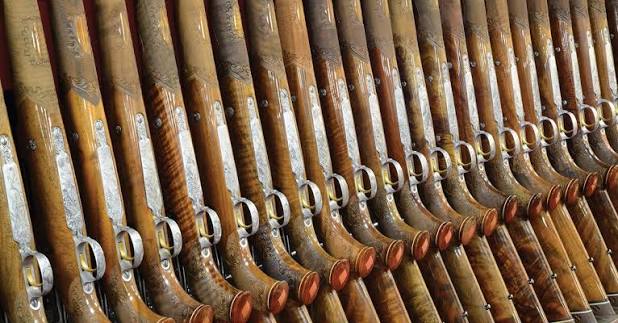
Historical firearms often showcase extraordinary craftsmanship that is difficult to replicate using modern manufacturing techniques.
Collectors admire details such as:
- Hand engraving
- Precision metalwork
- Decorative inlays
- Fine wood stocks
- Mechanical innovation
- Custom finishing
These artistic qualities attract collectors who appreciate traditional craftsmanship regardless of their knowledge of military history.
Many antique firearms are viewed as examples of industrial art, demonstrating the remarkable skills of gunsmiths working centuries ago.
Research Before Purchasing
Experienced collectors rarely make decisions based only on appearance.
Instead, they invest significant time studying historical references, production records, auction history, and expert opinions before acquiring an item.
Important factors often include:
- Authenticity
- Original components
- Manufacturing period
- Overall condition
- Historical relevance
- Supporting documentation
Patience usually leads to stronger collections because informed purchases reduce the likelihood of acquiring altered or incorrectly identified pieces.
Why Younger Collectors Are Joining the Hobby
Historical firearm collecting is attracting a new generation interested in history, engineering, genealogy, and preservation.
Many younger collectors are motivated by curiosity about technological development rather than simply accumulating objects.
Historical documentaries, museum exhibitions, educational content, and family history projects have encouraged newcomers to explore collecting from an academic perspective.
This generational shift has introduced fresh ideas while reinforcing the importance of careful documentation and responsible preservation. Younger enthusiasts increasingly value historical narratives and verified provenance alongside craftsmanship.
Building Knowledge Instead of Just Ownership
One noticeable trend is that collectors increasingly value education.
Instead of asking only whether a firearm is rare, they ask:
- Why was it designed?
- What problem did it solve?
- How did technology evolve afterward?
- What historical events influenced its development?
These questions create opportunities for lifelong learning.
Many collectors enjoy reading historical publications, visiting museums, comparing manufacturing techniques, and studying production timelines as much as acquiring new pieces.
Knowledge often becomes the most rewarding part of the collecting experience.
Understanding Market Interest
The popularity of historical firearm collecting continues to grow because collectors appreciate both historical significance and craftsmanship.
Interest often centers on items that demonstrate:
- Original condition
- Verified history
- Mechanical innovation
- Limited production
- Excellent craftsmanship
- Strong historical connections
Rather than chasing trends alone, experienced collectors usually focus on quality, authenticity, and long-term historical importance.
Well-documented artifacts frequently remain desirable because their stories can be verified and shared with future generations.
Learning From Experienced Collectors
No collector begins with complete knowledge.
Experienced enthusiasts often encourage newcomers to spend time researching before making major purchases.
Joining educational communities, attending museum exhibitions, reading historical materials, and studying manufacturing techniques can provide valuable insights that improve collecting decisions.
Building expertise gradually usually creates a more rewarding experience than attempting to assemble a large collection quickly.
The Value of Responsible Preservation
Responsible collecting helps protect important pieces of history.
Collectors who document acquisitions, preserve original features, and record historical information contribute to preserving cultural heritage.
Many collections eventually support museum exhibitions, educational research, or future historical studies.
This broader purpose gives historical firearm collecting significance beyond private ownership.
Final Thoughts
Historical firearm collecting continues to evolve as research, preservation, and education become increasingly important. Today’s collectors are not simply searching for rare artifacts—they are preserving stories, studying craftsmanship, and documenting technological progress across generations.
By focusing on authenticity, careful research, and historical understanding, collectors help ensure these remarkable artifacts remain valuable educational resources for years to come.
As interest in military history, engineering, and heritage preservation continues to grow, platforms such as Domikyo.com can play a valuable role in supporting enthusiasts who appreciate the historical significance and craftsmanship behind collectible firearms while encouraging informed and responsible learning about this enduring field.