How Moisture, Humidity, and Poor Ventilation Slowly Damage Modern Homes
Modern homes are designed to provide comfort, energy efficiency, and better living experiences. However, many homeowners focus on visible problems like cracked walls, outdated kitchens, or old flooring while ignoring one of the biggest threats hiding inside a property: moisture.
Excess moisture, high humidity, and poor ventilation can slowly damage a home without creating immediate warning signs. Over time, these issues can affect walls, ceilings, floors, furniture, electrical systems, and even indoor air quality. A home may look perfectly fine from the outside while hidden moisture problems are already developing behind walls or under surfaces.
Understanding how moisture enters a home, why ventilation matters, and how to prevent long-term damage can help homeowners protect their property and avoid expensive repairs.
Why Moisture Is a Serious Problem for Modern Homes
Moisture is a natural part of everyday life. Cooking, showering, washing clothes, and even breathing release water vapor into the air. In a properly designed home, ventilation systems and building materials help control this moisture.
The problem begins when moisture levels become higher than the home can handle.
Modern construction often focuses on insulation and energy efficiency. While these features reduce heating and cooling costs, they can sometimes make homes more airtight. Without proper airflow, trapped moisture has fewer ways to escape.
When moisture remains inside a property for long periods, it can slowly weaken materials and create an environment where mold, bacteria, and pests can grow.
Common sources of indoor moisture include:
- Bathroom steam from showers and baths
- Cooking without proper exhaust systems
- Water leaks from pipes or roofs
- Poor drainage around the foundation
- Wet basements and crawl spaces
- Drying clothes indoors
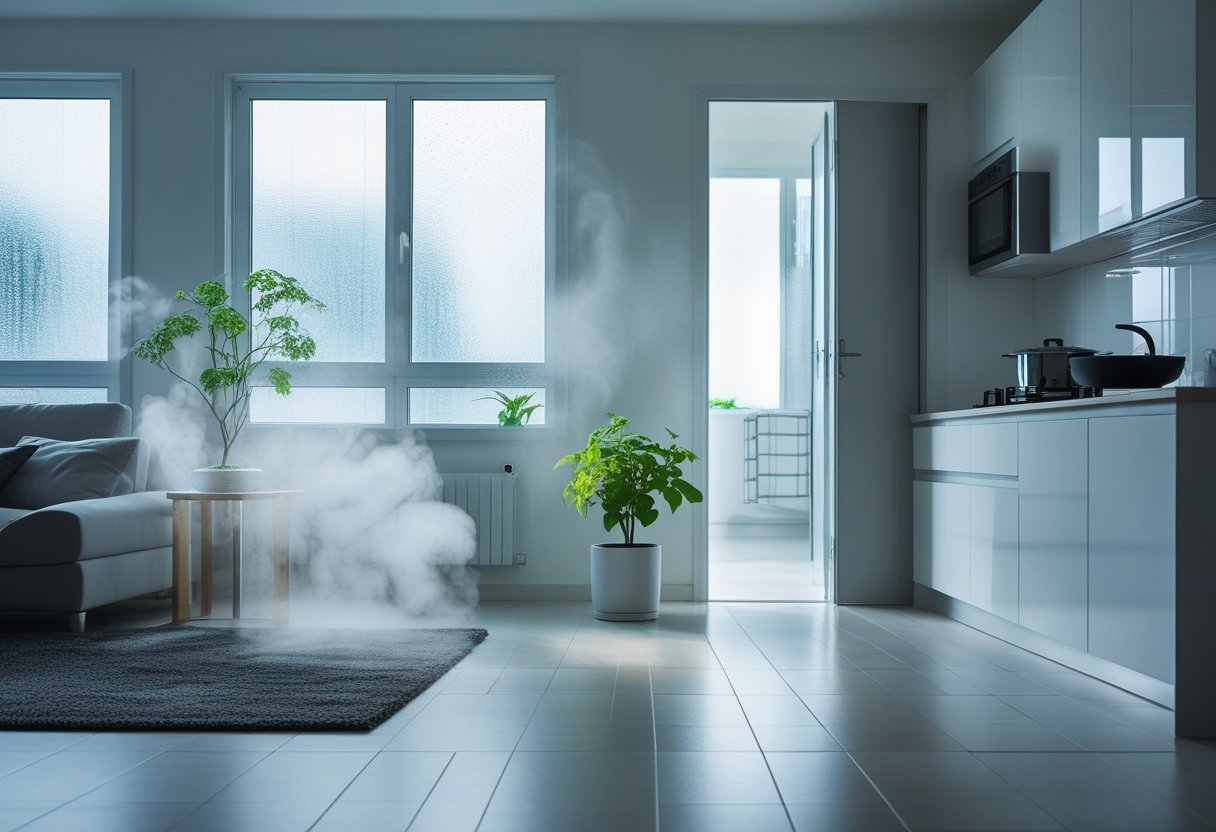
- Condensation on windows and walls
Identifying these sources early is one of the best ways to prevent major damage.
How High Humidity Damages Walls and Ceilings
Walls and ceilings are among the first areas affected by excessive humidity. When moisture gets trapped inside building materials, it can cause gradual deterioration.
Paint may begin to bubble, peel, or develop stains. Wallpaper can loosen from the surface. Over time, drywall may become soft, damaged, or require complete replacement.
One major concern is hidden moisture behind walls. Small leaks or condensation problems can remain unnoticed for months. During this period, moisture can damage insulation, wooden structures, and electrical components.
Signs of moisture damage on walls and ceilings include:
- Dark spots or water stains
- Peeling paint
- Musty odors
- Crumbling drywall
- Visible mold growth
- Warped surfaces
Ignoring these warning signs often leads to larger renovation costs later.
The Connection Between Poor Ventilation and Mold Growth
Poor ventilation is one of the main reasons moisture problems become worse. Air circulation helps remove excess humidity and prevents damp areas from staying wet for long periods.
Bathrooms and kitchens are especially vulnerable because they produce large amounts of steam. Without exhaust fans, windows, or proper ventilation systems, this moisture spreads throughout the home.
Mold can begin growing when surfaces remain damp for extended periods. It commonly appears in:
- Bathroom corners
- Behind furniture placed against exterior walls
- Around windows
- Basement areas
- Under sinks
- Near leaking pipes
Besides damaging surfaces, mold can negatively affect indoor comfort and may create unpleasant odors throughout the home.
A well-ventilated house allows fresh air to enter while removing moisture and pollutants.
How Moisture Affects Wooden Structures and Furniture
Wood is a beautiful and commonly used material in homes, but it reacts strongly to moisture changes.
When wood absorbs excess moisture, it expands. When it dries out, it contracts. Repeated cycles of expansion and contraction can cause:
- Warped doors
- Damaged flooring
- Cracked furniture
- Loose joints
- Structural weakening
Wooden floors are particularly sensitive because moisture can enter from underneath. If a leak or humidity issue continues, wooden boards may bend, separate, or develop mold.
Proper sealing, regular maintenance, and humidity control can significantly extend the life of wooden materials.
Flooring Problems Caused by Excess Moisture
Flooring damage is another common result of uncontrolled moisture.
Different flooring materials react differently:
- Hardwood may warp or buckle.
- Laminate flooring may swell at the edges.
- Carpet can trap moisture and develop odors.
- Tiles may experience loose grout or water damage underneath.
Many homeowners replace damaged flooring without fixing the moisture source. This often leads to the same problem returning after a short period.
Before installing new flooring, it is important to check for leaks, moisture levels, and ventilation issues.
The Impact of Poor Ventilation on Indoor Air Quality
Ventilation does more than remove moisture. It also helps maintain healthier indoor air quality.
A poorly ventilated home can trap:
- Excess humidity
- Dust particles
- Cleaning chemical odors
- Cooking fumes
- Allergens
- Indoor pollutants
Over time, stale air can make a home feel uncomfortable and unpleasant.
Modern homes benefit from balanced ventilation systems that exchange indoor and outdoor air while maintaining energy efficiency. Simple solutions like opening windows regularly, using exhaust fans, and maintaining HVAC systems can also improve airflow.
How to Prevent Moisture Damage in Your Home
Preventing moisture problems is usually easier and less expensive than repairing damage later. Homeowners can take several practical steps to control humidity and improve ventilation.
Use Exhaust Fans Properly
Bathrooms and kitchens should have working exhaust fans to remove steam and humidity. These fans should continue running for several minutes after activities like cooking or showering.
Maintain Indoor Humidity Levels
Keeping indoor humidity at a comfortable level helps prevent condensation and mold growth. A humidity monitor can help homeowners understand whether moisture levels are becoming too high.
Repair Leaks Quickly
Small leaks can create major problems over time. Check areas around:
- Plumbing connections
- Roof surfaces
- Windows
- Water heaters
- Basements
Addressing leaks early prevents hidden structural damage.
Improve Air Circulation
Avoid blocking air movement with large furniture placed tightly against walls. Allowing air to circulate helps prevent damp spots and condensation.
Maintain Gutters and Drainage
Outdoor water management is also important. Blocked gutters and poor drainage can allow water to collect near foundations, increasing the risk of moisture entering the home.
Modern Solutions for Moisture Control
Technology has introduced several solutions that help homeowners manage moisture more effectively.
Smart humidity sensors can monitor indoor conditions and send alerts when humidity levels become too high. Modern ventilation systems can automatically adjust airflow based on indoor air quality.
Water-resistant building materials, improved insulation techniques, and moisture barriers are also becoming more common in modern construction.
However, technology works best when combined with proper home maintenance habits.
Final Thoughts
Moisture, humidity, and poor ventilation are slow-moving problems that can create serious damage if ignored. Unlike visible renovation issues, moisture damage often develops quietly behind walls, beneath floors, and inside building materials.
A healthy home requires more than attractive designs and modern finishes. Proper airflow, moisture control, regular inspections, and quick repairs are essential for protecting your investment.
By understanding how moisture affects different parts of a home, homeowners can make smarter renovation decisions, prevent expensive repairs, and create a safer and more comfortable living environment.