Why More Renovation Projects Are Including Soundproofing From the Start
Home renovation projects are no longer focused only on improving appearance, increasing space, or updating outdated designs. Modern homeowners are paying more attention to comfort, privacy, and the overall living experience. One major improvement that is becoming part of renovation plans from the beginning is soundproofing.
In the past, soundproofing was often considered an optional upgrade added only for home theaters, recording rooms, or properties located in noisy areas. Today, more homeowners are realizing that controlling unwanted noise can make everyday life more comfortable. Whether it is reducing traffic sounds, creating a peaceful bedroom, improving work-from-home conditions, or adding privacy between rooms, soundproofing has become a practical part of modern home design.
The Growing Need for Quieter Homes
Homes today serve multiple purposes. A living room may also become a workspace, a bedroom may double as a study area, and families often have different schedules that create noise challenges.
Remote work and online learning have especially changed how people use their homes. Many homeowners now need quiet spaces for video calls, meetings, studying, and focused activities. Without proper sound control, everyday noises such as conversations, television sounds, footsteps, plumbing, or outside traffic can become distractions.
As people spend more time indoors, the demand for peaceful and comfortable living environments continues to grow. Soundproofing addresses a problem that many homeowners previously ignored until after completing a renovation.
Soundproofing Is Easier During Renovation
One of the biggest reasons soundproofing is being included from the start is that renovation projects provide the perfect opportunity to install noise-control solutions.
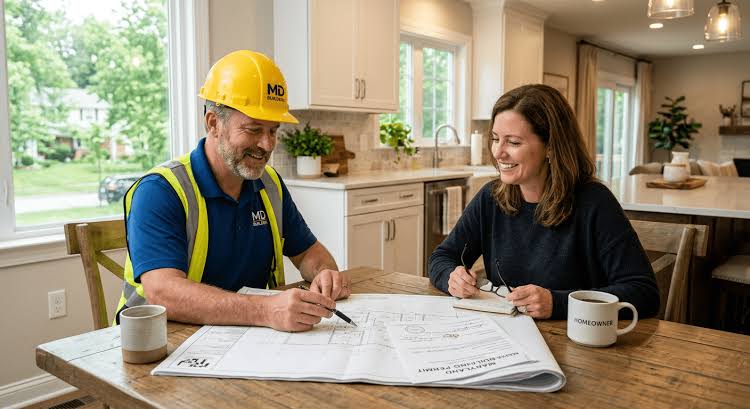
When walls, ceilings, or floors are already being opened for electrical work, plumbing upgrades, or structural changes, adding soundproofing materials becomes much easier and more affordable. Installing soundproofing after a renovation is complete can require removing drywall, changing flooring, or making additional modifications.
Planning sound control early allows homeowners and contractors to integrate solutions naturally into the construction process instead of treating them as a separate project.
Common Areas Where Homeowners Add Soundproofing
Soundproofing can be useful throughout different parts of a home depending on individual needs.
Bedrooms
Bedrooms are one of the most popular areas for soundproofing improvements. A quieter sleeping environment can help reduce disturbances caused by outdoor traffic, neighbors, household activities, or other rooms.
Soundproofing solutions may include improving wall insulation, upgrading doors, sealing gaps around windows, and reducing sound transfer through ceilings or floors.
Home Offices
With more people working remotely, home offices have become an important renovation priority. A properly soundproofed workspace can help create a professional environment by reducing background noise during calls and meetings.
Sound control also prevents work-related sounds from disturbing other family members.
Entertainment Rooms
Home theaters, gaming rooms, and entertainment spaces often require better acoustic control. Soundproofing helps keep movie, music, and gaming sounds contained while also improving the listening experience inside the room.
Shared Walls and Multi-Level Homes
In homes with multiple floors or shared walls, sound transmission between rooms can become a common complaint. Footsteps, conversations, and household activities can travel easily through poorly insulated structures.
Adding soundproofing during renovation can significantly improve privacy between different areas of the home.
Different Soundproofing Methods Used in Renovations
Soundproofing does not rely on a single product or technique. The best approach depends on the type of noise problem and the structure of the home.
Acoustic Insulation
Special insulation materials are commonly installed inside walls and ceilings to reduce sound movement. These materials absorb sound waves and help prevent noise from passing between spaces.
Soundproof Drywall
Traditional drywall can be replaced or combined with specialized sound-reducing drywall products. These materials are designed to limit vibrations and improve wall performance.
Acoustic Panels
Acoustic panels are often used in rooms where sound quality matters. They help control echoes and improve room acoustics, especially in offices, studios, and entertainment areas.
Door and Window Improvements
Small gaps around doors and windows can allow significant noise to enter. Upgrading to solid-core doors, adding weather seals, and improving window insulation can make a noticeable difference.
Flooring Solutions
Noise can travel through floors, especially in multi-story homes. Underlayment materials, carpets, engineered flooring systems, and other solutions can reduce impact sounds such as footsteps.
Soundproofing Adds Long-Term Home Value
Many renovation decisions are made with future buyers in mind. While design trends may change over time, comfort-focused improvements often remain valuable.
A home with better privacy and reduced noise can be more attractive to potential buyers. Features such as a quiet home office, peaceful bedrooms, or improved acoustic comfort can become selling points in competitive real estate markets.
Soundproofing may not always be visible during a home tour, but the benefits are noticeable when people experience the space.
The Difference Between Soundproofing and Sound Absorption
Many homeowners confuse soundproofing with sound absorption, but they solve different problems.
Soundproofing focuses on preventing sound from entering or leaving a room. It involves materials and construction methods that block noise transmission.
Sound absorption improves the quality of sound inside a room by reducing echoes and reflections. For example, decorative acoustic panels can make a room sound better but may not completely block outside noise.
Understanding this difference helps homeowners choose the right solution for their renovation goals.
Planning Soundproofing Without Overspending
Soundproofing does not always require a complete rebuild or expensive upgrades. A smart renovation plan starts by identifying the main noise problems.
Homeowners should consider:
- Where unwanted noise is coming from
- Which rooms need the most privacy
- Whether the issue is outside noise or internal noise
- The renovation budget
- Future use of the space
A contractor or acoustic specialist can help determine which improvements will provide the best results.
Adding soundproofing only where needed can provide significant benefits without unnecessary costs.
The Future of Quiet Home Design
As homes continue to become smarter and more flexible, sound control will likely become a standard part of renovation planning. Similar to energy efficiency, lighting design, and smart technology, acoustic comfort is becoming an important factor in creating better living spaces.
Future homes may include advanced sound monitoring systems, intelligent noise-control technology, and improved building materials designed specifically for quieter environments.
Homeowners are no longer viewing soundproofing as a luxury feature. Instead, it is becoming a practical investment in comfort, privacy, productivity, and long-term property value.
Final Thoughts
Including soundproofing at the beginning of a renovation project allows homeowners to create a more comfortable and functional living environment. From quieter bedrooms and productive workspaces to improved privacy and better entertainment areas, sound control can have a major impact on daily life.
As modern homes continue to serve more purposes than ever before, planning for noise reduction during renovation is becoming a smart decision rather than an afterthought. By considering soundproofing early, homeowners can enjoy a peaceful home designed around their lifestyle needs.