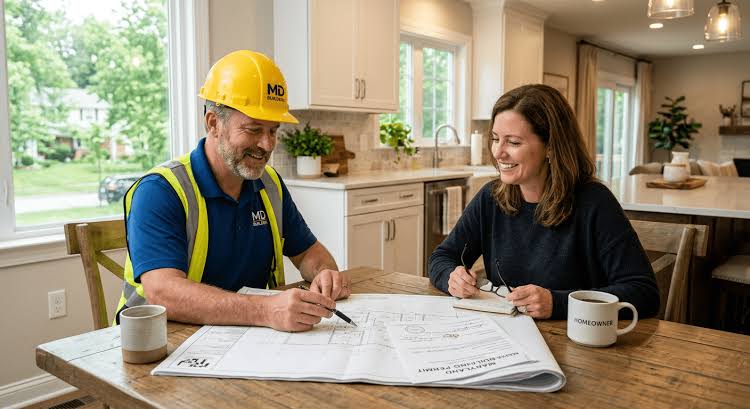
Home Renovation Permits Explained: When You Need One and When You Don’t
Home renovation projects can completely transform a property, whether you are updating an outdated kitchen, adding extra living space, replacing old systems, or improving energy efficiency. However, before starting construction work, many homeowners face one important question: Do I need a renovation permit for this project?
A building permit is not just paperwork. It helps ensure that renovation work follows safety standards, local building codes, and construction requirements. At the same time, not every home improvement project requires official approval. Understanding when permits are necessary and when they are not can save homeowners from unexpected fines, delays, and problems when selling their property.
The rules vary depending on your location, project type, and local regulations, but knowing the basic principles can help you plan your renovation more confidently.
What Is a Home Renovation Permit?
A home renovation permit is an official approval from a local government or building authority that allows specific construction or remodeling work to take place. It confirms that the planned changes meet required safety standards related to areas such as structural strength, electrical systems, plumbing, fire protection, and energy efficiency.
The purpose of permits is to protect both homeowners and future occupants. A renovation that looks attractive on the surface may create hidden safety issues if it affects important parts of a building.
For example, removing a wall may change the structural stability of a home, while electrical upgrades may create fire risks if they are not completed according to approved standards.
Why Are Renovation Permits Important?
Many homeowners avoid permits because they believe they increase costs or slow down projects. However, skipping required permits can create bigger issues later.
Some important reasons permits matter include:
Ensuring Safety Standards
Building codes exist to reduce risks. Permits often require inspections that confirm work has been completed correctly.
This is especially important for projects involving:
- Electrical wiring
- Gas lines
- Structural changes
- Roofing systems
- Plumbing modifications
- Heating and cooling equipment
A small mistake during renovation can lead to expensive repairs or safety hazards in the future.
Protecting Property Value
Unpermitted renovations can create problems when selling a home. Buyers, lenders, and inspectors may ask whether major improvements were completed legally.
If permits are missing, a buyer may request repairs, price reductions, or additional inspections before completing a purchase.
Supporting Insurance Coverage
Some insurance companies may question damage related to work that was completed without required approvals. A renovation completed without proper permits could complicate future claims.
Keeping permit records provides documentation that the work followed official requirements.
Home Renovation Projects That Usually Require Permits
While regulations differ by location, many major renovation projects commonly require permits.
Structural Changes
Any project that changes the structure of a home often needs approval.
Examples include:
- Removing load-bearing walls
- Adding new rooms
- Building extensions
- Changing roof structures
- Modifying foundations
Structural work affects the safety and stability of the entire property, so authorities usually require detailed plans and inspections.
Electrical Upgrades
Electrical work is one of the most common areas where permits are required.
Projects that may need approval include:
- Installing new electrical circuits
- Upgrading electrical panels
- Rewiring older homes
- Adding outdoor electrical systems
- Installing major electrical equipment
Incorrect electrical work can increase the risk of fires, making professional installation and inspection important.
Plumbing Changes
Small plumbing repairs may not require permits, but larger changes often do.
Examples include:
- Moving bathroom plumbing
- Installing new water lines
- Changing drainage systems
- Adding new fixtures in different locations
Major plumbing changes can affect the home’s water supply and waste systems.
Kitchen and Bathroom Remodeling
Kitchen and bathroom renovations frequently involve multiple systems, including plumbing, electrical, ventilation, and structural adjustments.
A simple cosmetic update, such as replacing cabinets or painting walls, may not require approval. However, moving sinks, adding new wiring, or changing layouts may require permits.
Renovation Projects That Often Do Not Require Permits
Not every improvement needs government approval. Many cosmetic upgrades are usually considered low-risk projects.
Common examples include:
Painting and Decorating
Changing wall colors, installing wallpaper, or updating interior finishes usually does not require a permit.
Replacing Flooring
Installing new carpet, tile, laminate, or hardwood flooring is generally considered a cosmetic improvement.
Installing Cabinets and Countertops
Replacing kitchen cabinets or countertops without changing plumbing or electrical systems is often permit-free.
Minor Repairs
Small maintenance tasks such as repairing drywall, replacing hardware, or fixing minor damage usually do not require permits.
However, homeowners should always confirm local rules because requirements can vary.
How to Know If Your Project Needs a Permit
The easiest way to determine permit requirements is to contact your local building department before starting work.
Consider these questions:
- Are you changing the structure of the home?
- Are you modifying electrical, plumbing, or gas systems?
- Are you increasing the size of the building?
- Are you changing the home’s exterior appearance?
- Are you installing new mechanical equipment?
If the answer is yes to any of these questions, there is a higher chance that a permit may be required.
A contractor can also help identify permit requirements because experienced professionals usually understand local construction regulations.
Common Mistakes Homeowners Make With Permits
Many renovation problems happen because homeowners misunderstand permit rules.
Assuming Small Projects Never Need Approval
A project may look small but still involve regulated systems. For example, replacing a bathroom fixture may become a permit issue if plumbing locations are changed.
Starting Work Before Approval
Beginning construction before receiving required permits can result in penalties, stop-work orders, or the need to redo completed work.
Hiring Contractors Without Checking Licensing
A reliable contractor should understand local permit requirements and include them in the project planning process.
Not Keeping Permit Records
After completing a renovation, keep copies of permits, inspection reports, receipts, and contractor information. These documents can be valuable when selling or refinancing your home.
How Permits Affect Renovation Costs
Permits usually add some cost to a renovation project, but they are a small investment compared with potential repair expenses caused by unsafe or unauthorized work.
Permit costs depend on factors such as:
- Project size
- Location
- Type of renovation
- Construction value
A professional renovation budget should include possible permit fees from the beginning.
Final Thoughts
Understanding home renovation permits helps homeowners avoid unnecessary complications and complete projects safely. While permits may seem like an extra step, they provide important protection by ensuring renovations meet building standards and safety requirements.
Simple cosmetic updates like painting, decorating, and replacing finishes often do not require approval. However, structural changes, electrical work, plumbing modifications, and major upgrades usually need proper permits.
Before starting any renovation, research local requirements, speak with professionals when necessary, and keep detailed records of approvals. A well-planned renovation not only improves your home but also protects its long-term value and safety.