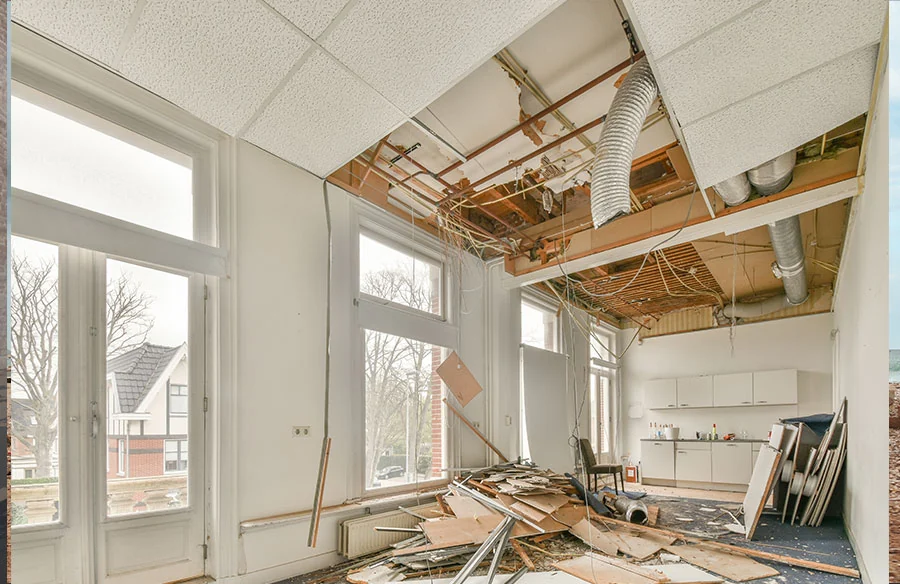
Why Some Home Renovations Fail Before Construction Begins: The Hidden Problems in Planning, Budgeting, and Design Decisions
A home renovation often begins with excitement. Homeowners imagine a modern kitchen, a larger living space, a comfortable bathroom, or a more energy-efficient property. However, many renovation projects experience problems before the first wall is removed or the first material is delivered.
The biggest mistakes in home improvement are not always caused by poor construction work. In many cases, failures start during the early stages of planning, budgeting, and design decisions. A project with a weak foundation can face delays, unexpected expenses, design compromises, and frustration even when skilled professionals are involved.
Understanding these hidden problems before starting a renovation can help homeowners make smarter decisions, protect their investment, and achieve better results.
Poor Planning Creates Problems Later
Planning is one of the most important stages of any renovation project, but it is also the stage many homeowners underestimate. Some people begin construction after only choosing a few ideas from pictures, videos, or inspiration boards without understanding how those ideas fit their actual property.
A successful renovation requires more than selecting attractive designs. Homeowners need to consider:
- How the existing structure works
- Which systems need upgrades
- Future lifestyle needs
- Available space
- Local building requirements
- Material availability
- Long-term maintenance
A beautiful design that does not match the home’s structure or daily needs can create problems after completion.
For example, opening a kitchen layout may look appealing, but removing walls without checking whether they support the building can create serious structural challenges. Similarly, adding large windows for natural light may increase heat gain and cooling costs if climate conditions are ignored.
Good renovation planning connects appearance, functionality, safety, and long-term value.
Unrealistic Budgets Cause Renovation Failures
One of the most common reasons renovation projects fail is inaccurate budgeting. Many homeowners calculate only the visible costs, such as flooring, cabinets, paint, or furniture, while ignoring hidden expenses.
A renovation budget should include:
- Labor costs
- Material price changes
- Permits and inspections
- Electrical upgrades
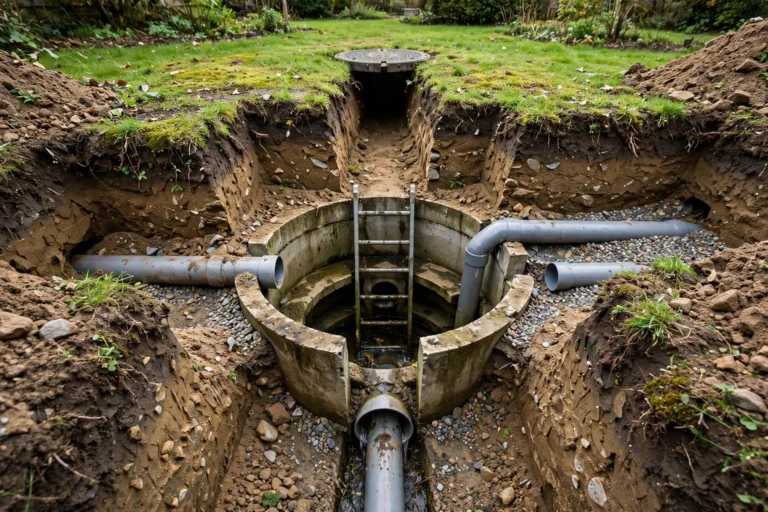
- Plumbing modifications
- Structural repairs
- Waste removal
- Unexpected issues
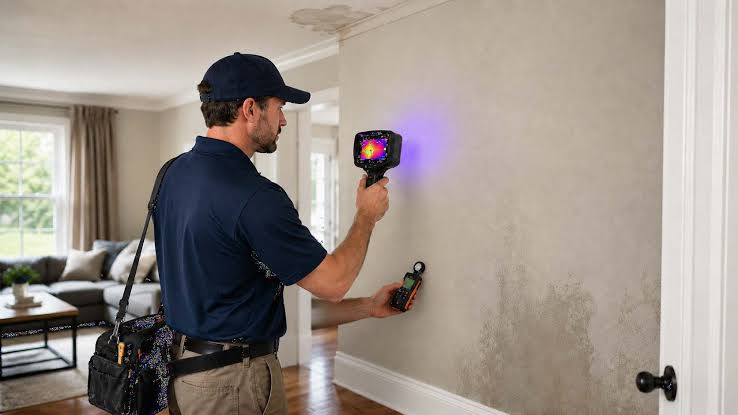
Older homes especially can reveal surprises after work begins. Contractors may discover outdated wiring, damaged pipes, moisture problems, or structural weaknesses that were not visible during initial planning.
A common mistake is creating a budget based on the lowest possible estimate. While saving money is important, extremely low quotes may indicate missing details, lower-quality materials, or unrealistic expectations.
A realistic budget includes a contingency amount for unexpected situations. Many professionals recommend keeping extra funds available because renovation projects rarely go exactly according to the original plan.
Changing Design Decisions During Construction
Another major reason renovations become stressful is constant design changes after construction starts.
During the planning stage, homeowners have time to compare options, research materials, and make thoughtful decisions. However, once workers begin, every change can affect multiple parts of the project.
For example, changing cabinet placement may require:
- Moving electrical connections
- Adjusting plumbing lines
- Changing lighting positions
- Ordering new materials
- Extending the construction timeline
Small changes can quickly increase costs.
This does not mean homeowners should never adjust plans. Sometimes changes are necessary when unexpected conditions appear. However, frequent changes caused by poor preparation can create confusion and unnecessary expenses.
A detailed design plan before construction begins helps reduce these issues.
Ignoring the Existing Condition of the Home
Many renovation failures happen because homeowners focus on what they want to add without understanding what already exists.
Every home has a history. Previous repairs, building methods, material choices, and aging systems all affect renovation possibilities.
Before starting major work, homeowners should evaluate:
- Foundation condition
- Roof health
- Plumbing age
- Electrical capacity
- Insulation quality
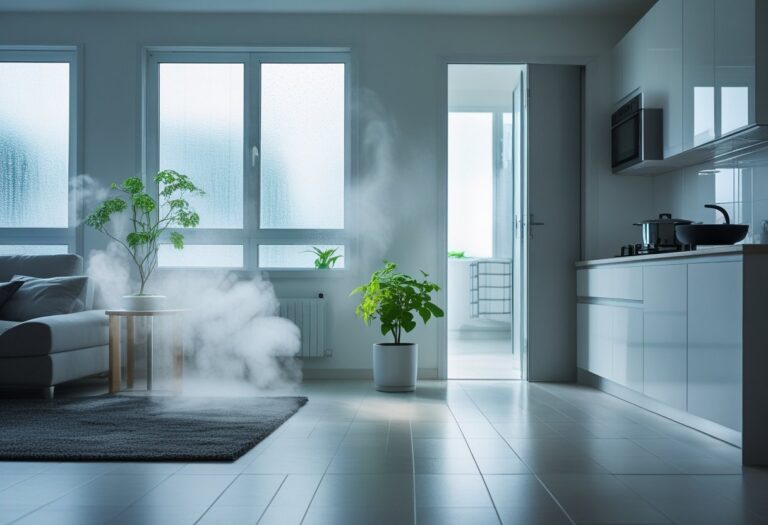
- Moisture issues
- Structural limitations
For example, installing expensive interior finishes in a home with unresolved water problems can lead to damage shortly after completion.
A renovation should improve the entire property, not simply cover existing problems with new surfaces.
Choosing Design Trends Over Practical Solutions
Trendy designs can make a home look modern, but following trends without considering practicality can reduce long-term satisfaction.
Some design choices become difficult to maintain or lose appeal quickly. A renovation should balance current style with timeless functionality.
For example:
- Extremely open layouts may reduce privacy
- Delicate materials may require excessive maintenance
- Complex smart systems may become outdated
- Limited storage solutions may create daily frustrations
The best designs solve real problems while maintaining visual appeal.
A home should be designed around the people who live there, not only around temporary trends.
Not Understanding Building Codes and Permits
Many homeowners underestimate the importance of permits and regulations. Building codes exist to protect safety, structural integrity, and property value.
Depending on the location and project type, permits may be required for:
- Electrical work
- Plumbing changes
- Structural modifications
- Room additions
- Major exterior changes
Skipping required approvals can create serious problems when selling the property in the future. Buyers, lenders, or insurance companies may require proof that renovations were completed properly.
Working with professionals who understand local requirements can prevent expensive corrections later.
Hiring the Wrong Professionals
Even a well-planned renovation can fail if the wrong people execute the work.
Some homeowners choose contractors based only on the cheapest price, but cost should not be the only factor. Experience, communication, reputation, and previous project quality are equally important.
Before hiring a contractor, homeowners should review:
- Previous renovation examples
- References from past clients
- Written contracts
- Project timelines
- Payment schedules
- Warranty details
Clear communication between homeowners, designers, and contractors is essential. Many renovation problems occur because expectations are not properly discussed before work begins.
Failing to Consider Future Maintenance
A renovation should not only look good on completion day. It should continue performing well for years.
Some materials and designs require more maintenance than homeowners expect. Choosing low-maintenance solutions can save time and money in the future.
Important questions include:
- How often will this material need replacement?
- Is it suitable for the local climate?
- Are repairs easy to complete?
- Are replacement parts available?
- Will cleaning requirements become difficult?
A smart renovation considers the complete lifecycle of materials, not just the initial appearance.
How to Prevent Renovation Problems Before They Start
A successful home renovation begins with careful preparation. Homeowners can reduce risks by following a few important steps:
- Create a detailed project plan before construction
- Research realistic costs
- Inspect the existing home condition
- Choose materials based on durability
- Finalize major design decisions early
- Understand permits and regulations
- Hire qualified professionals
- Keep emergency funds available
Taking more time during planning often saves significant time and money during construction.
Final Thoughts
Many renovation failures are created before construction even begins. Poor planning, unrealistic budgets, rushed decisions, and overlooking existing problems can turn an exciting project into a stressful experience.
A successful renovation is not only about choosing beautiful finishes or modern designs. It requires careful research, realistic expectations, professional guidance, and decisions focused on long-term performance.
When homeowners invest time in proper planning, they create a stronger foundation for a renovation that improves comfort, increases property value, and remains functional for many years.