Moisture Mapping in Homes: How Professionals Find Hidden Water Damage Behind Walls, Floors, and Ceilings
Water damage is one of the most common and expensive problems homeowners face. While visible leaks, dripping pipes, and wet spots are easy to notice, many moisture problems remain hidden for weeks, months, or even years. Water can travel behind walls, beneath flooring, above ceilings, and inside insulation before showing obvious signs.
This is where moisture mapping becomes an important part of modern home inspections and repair planning. Instead of guessing where water damage exists, professionals use specialized tools and techniques to identify moisture patterns, locate affected areas, and understand how far the damage has spread.
Moisture mapping helps homeowners detect problems earlier, reduce repair costs, and prevent serious issues such as mold growth, structural damage, and unhealthy indoor conditions.
What Is Moisture Mapping in a Home?
Moisture mapping is the process of identifying, measuring, and documenting areas where excessive moisture exists inside a building. Professionals create a detailed picture of moisture conditions throughout a property by using inspection tools, readings, and visual assessments.
The goal is not only to find where water is visible but also to discover hidden moisture that cannot be detected through normal observation.
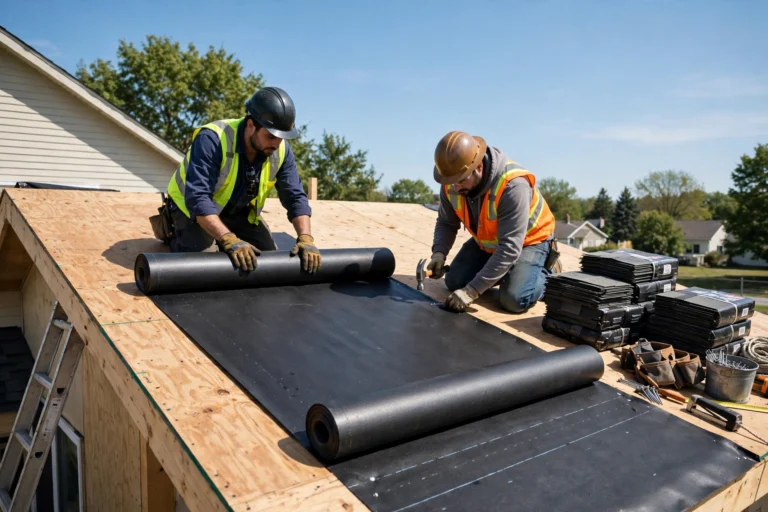
For example, a small roof leak may not create a visible ceiling stain immediately. However, moisture may already be spreading through drywall, wooden framing, or insulation. A moisture mapping inspection can reveal these hidden areas before major damage develops.
Professionals often create moisture maps during:
- Water leak investigations
- Flood damage assessments
- Mold inspections
- Roof inspections
- Plumbing issue investigations
- Home buying inspections
- Renovation projects
Why Hidden Moisture Is Dangerous
Many homeowners assume that if a wall or ceiling looks dry, there is no water problem. Unfortunately, this is not always true.
Hidden moisture can create several long-term issues:
Mold Growth
Mold does not require a large amount of standing water to develop. Damp drywall, wood, insulation, and other materials can provide the right conditions for mold growth.
Once mold develops behind walls or under flooring, removing it becomes more complicated because the affected area may not be visible.
Structural Damage
Water can weaken important building materials over time. Wooden beams, floor structures, and wall framing may lose strength when exposed to continuous moisture.
Small leaks that are ignored can eventually lead to expensive repairs.
Poor Indoor Air Quality
Moist environments can contribute to unpleasant odors and indoor air quality problems. Hidden moisture sources are often difficult to identify without proper inspection.
How Professionals Perform Moisture Mapping
Moisture mapping is not based on a single tool or measurement. Professionals combine several methods to understand the complete moisture situation inside a property.
Visual Inspection
The first step usually involves a detailed visual inspection. Professionals look for signs that may indicate moisture problems, including:
- Water stains
- Discoloration
- Peeling paint
- Swollen flooring
- Cracked drywall
- Musty smells
- Damaged insulation
Although visual checks are important, they only reveal surface-level problems. Hidden moisture requires additional testing.
Moisture Meters
Moisture meters are common tools used during inspections. These devices measure the moisture level inside building materials such as wood, drywall, and concrete.
There are two main types:
Pin-type moisture meters use small pins that penetrate the material to measure electrical resistance.
Pinless moisture meters use sensors that scan surfaces without creating holes.
These tools help professionals compare normal moisture levels with areas that may contain excessive water.
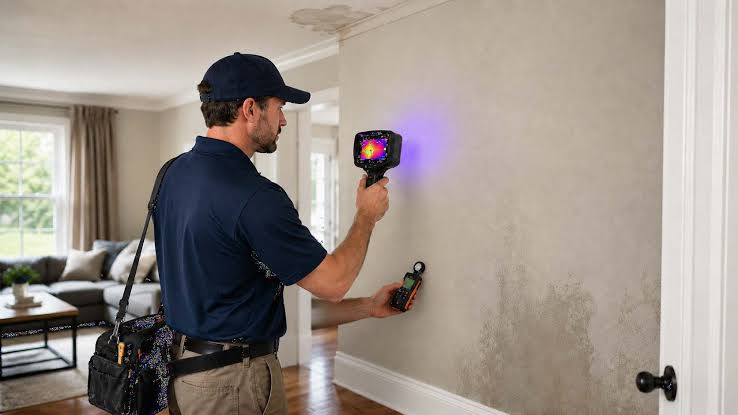
Infrared Thermal Cameras
Thermal imaging cameras help inspectors identify temperature differences caused by moisture.
Water often changes the temperature behavior of building materials. For example, a wet section of drywall may appear different from surrounding dry areas because moisture affects heat movement.
Infrared cameras do not directly detect water, but they help locate unusual areas that require further investigation.
Hygrometers and Environmental Testing
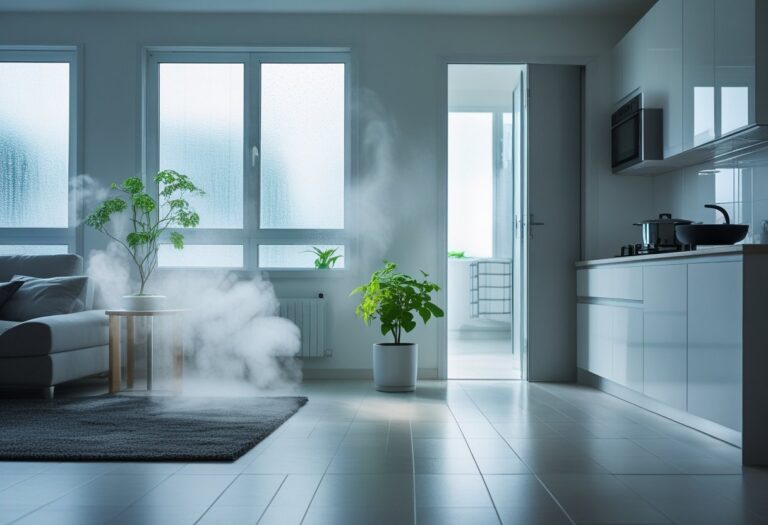
Professionals may also measure humidity levels inside rooms. High humidity can indicate ventilation issues, water intrusion, or drying problems.
Environmental readings help determine whether conditions are suitable for mold growth or continued moisture accumulation.
Finding Water Damage Behind Walls
Walls are one of the most common places where hidden moisture problems occur. Plumbing leaks, roof issues, and exterior water intrusion can allow water to move behind drywall.
Professionals typically examine:
- Areas around plumbing fixtures
- Corners and wall joints
- Locations below bathrooms
- Exterior-facing walls
- Areas near windows and doors
Moisture mapping helps identify whether the problem is isolated or spreading across multiple sections.
For example, a leaking bathroom pipe may create moisture not only near the pipe location but also several feet away as water travels through wall cavities.
Detecting Moisture Under Floors
Flooring damage is often difficult to identify because the surface may appear normal while moisture remains underneath.
Different flooring materials respond differently to water:
- Hardwood may warp, expand, or separate
- Laminate may swell at joints
- Carpet can trap moisture underneath
- Tile floors may hide moisture problems in the subfloor
During moisture mapping, inspectors check flooring materials and surrounding areas to determine whether water has reached the underlying structure.
This information helps decide whether drying is possible or whether replacement is required.
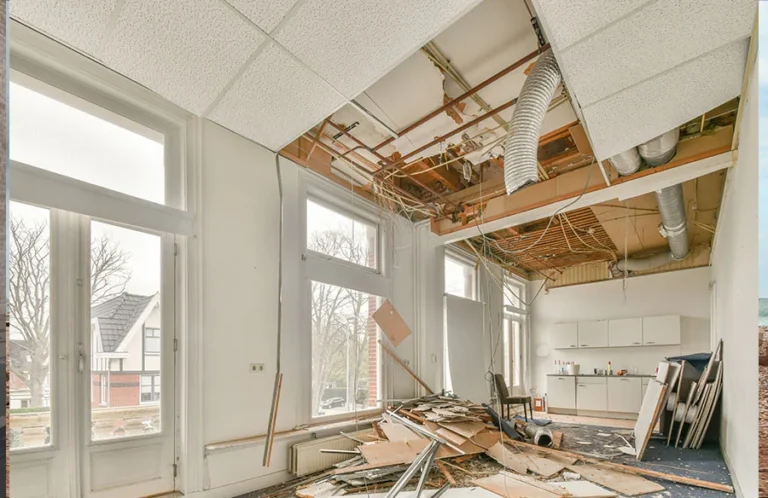
Identifying Ceiling Moisture Problems
Ceiling moisture often comes from problems above the affected area, including:
- Roof leaks
- Plumbing leaks from upper floors
- HVAC condensation issues
- Poor attic ventilation
A visible ceiling stain may represent only a small part of the actual moisture spread. Water can travel along ceiling materials before appearing in one location.
Moisture mapping helps trace the likely source and affected area rather than focusing only on visible damage.
Benefits of Professional Moisture Mapping
A professional moisture inspection provides several advantages for homeowners.
More Accurate Repairs
Without proper testing, repairs may focus only on visible damage while leaving hidden moisture behind. Moisture mapping helps contractors understand exactly what needs attention.
Lower Repair Costs
Finding moisture early can prevent larger problems. Addressing a small leak is usually much less expensive than repairing damaged structures later.
Better Insurance Documentation
Detailed moisture reports can help during insurance claims by showing affected areas, moisture levels, and the extent of damage.
Improved Renovation Decisions
Before remodeling, moisture mapping can identify existing problems that should be corrected before new materials are installed.
Common Mistakes Homeowners Make After Water Damage
Many homeowners make decisions based only on what they can see. Some common mistakes include:
- Drying visible water but ignoring hidden moisture
- Covering stains with paint without fixing the cause
- Replacing flooring without checking the subfloor
- Assuming a small leak cannot cause major damage
- Delaying inspections after water exposure
These approaches may hide symptoms while allowing the actual problem to continue.
The Future of Moisture Detection Technology
Home inspection technology continues to improve. Future moisture monitoring systems may include connected sensors that continuously track moisture levels and alert homeowners before damage becomes severe.
Smart homes may eventually include built-in moisture detection systems that monitor:
- Plumbing areas
- Basements
- Roof spaces
- Bathrooms
- Utility rooms
These technologies could help shift home maintenance from reactive repairs to early prevention.
Final Thoughts
Moisture mapping is becoming an essential tool for protecting modern homes from hidden water damage. Since moisture often spreads behind walls, beneath floors, and above ceilings before visible signs appear, traditional inspections alone may not always reveal the full problem.
By combining moisture meters, thermal imaging, environmental measurements, and professional analysis, experts can create a clearer picture of a home’s condition.
For homeowners, understanding moisture mapping means making smarter repair decisions, preventing costly damage, and maintaining a safer living environment. Detecting hidden moisture early is one of the most effective ways to protect the long-term value and health of a property.