Passive House Principles for Regular Homes: Which Energy-Efficient Ideas Are Worth Adopting Without a Full Rebuild?
Energy-efficient homes are becoming more important as homeowners look for ways to reduce utility bills, improve indoor comfort, and create healthier living spaces. However, many people assume that achieving high energy efficiency requires building a completely new house using expensive materials and advanced construction methods.
This is where passive house principles can provide a practical solution. While a certified Passive House is designed according to strict performance standards, many of its ideas can be applied to existing homes without tearing everything down and starting again.
Simple improvements such as better insulation, improved air sealing, smarter ventilation, efficient windows, and careful energy management can significantly improve a home’s performance. These upgrades allow homeowners to enjoy many benefits of passive design without the cost and disruption of a full rebuild.
What Are Passive House Principles?
Passive House, also known as Passivhaus, is a building approach focused on reducing energy consumption while maintaining excellent indoor comfort. Instead of depending heavily on heating and cooling systems, passive homes use smart design strategies to naturally maintain stable indoor temperatures.
The main goal is to create a building envelope that controls heat loss, air movement, and energy usage.
Traditional homes often lose energy through:
- Poor insulation
- Air leaks around doors and windows
- Inefficient heating and cooling systems
- Excessive sunlight exposure
- Poor ventilation design
Passive house principles address these weaknesses by improving how a building interacts with its environment.
Although full Passive House certification requires detailed planning and strict standards, homeowners can adopt many individual concepts to make their existing properties more efficient.
Improve Insulation Before Upgrading Equipment
One of the most important passive house lessons is that preventing energy loss is often better than adding more powerful heating or cooling equipment.
Many homeowners replace air conditioners, heaters, or furnaces without fixing insulation problems first. However, an efficient system will still struggle if a home constantly loses conditioned air.
Adding or improving insulation in areas such as:
- Attics
- Exterior walls
- Floors above unheated spaces
- Basements
- Roof structures
can help maintain comfortable temperatures throughout the year.
Better insulation keeps heat inside during winter and prevents excessive heat from entering during summer. This reduces pressure on HVAC systems and can lower energy consumption.
For many existing homes, attic insulation is one of the easiest and most cost-effective improvements.
Air Sealing: The Overlooked Energy Upgrade
A home can have good insulation and still waste energy if unwanted air enters and escapes through gaps.
Air leaks commonly occur around:
- Window frames
- Door openings
- Electrical outlets
- Plumbing penetrations
- Roof connections
- Cracks in walls
Passive house design focuses heavily on airtight construction because uncontrolled air movement affects comfort and efficiency.
Homeowners can improve air sealing by using:
- Weatherstripping around doors
- Caulk for small gaps
- Spray foam around certain openings
- Proper sealing materials during renovations
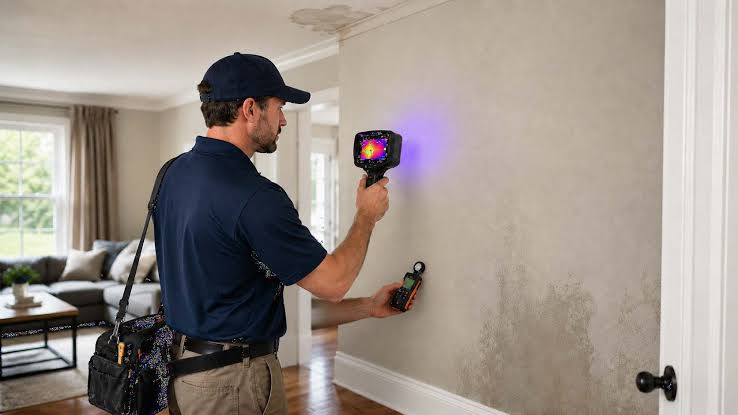
A professional energy audit can also identify hidden leakage points using tools such as blower door testing.
Upgrade Windows Strategically
Windows play a major role in home energy performance. Older single-pane or poorly sealed windows can allow significant heat transfer.
Passive homes often use highly efficient windows with multiple layers of glass and insulated frames. However, replacing every window may not always be necessary.
For existing homes, homeowners can consider:
- Repairing damaged window seals
- Adding weather protection
- Installing energy-efficient curtains or blinds
- Replacing the worst-performing windows first
- Using window films where appropriate
The best solution depends on climate, budget, and the condition of current windows.
In some cases, improving insulation and air sealing around existing windows may provide noticeable benefits without complete replacement.
Use Balanced Ventilation Instead of Simply Closing the House
A common misunderstanding about energy-efficient homes is that they should be completely sealed with no airflow. In reality, passive design focuses on controlled ventilation.
Modern energy-efficient homes often use mechanical ventilation systems that bring fresh air inside while reducing energy loss.
Heat recovery ventilation (HRV) and energy recovery ventilation (ERV) systems are examples of technologies that exchange stale indoor air with fresh outdoor air while transferring heat or cooling energy between the two air streams.
These systems can help improve:
- Indoor air quality
- Humidity control
- Comfort
- Energy efficiency
For older homes, improving ventilation is especially important after adding insulation and sealing air leaks.
Take Advantage of Natural Light and Solar Design
Passive house concepts also consider how a building interacts with sunlight.
The position of windows, shading elements, and room layouts can influence heating and cooling needs.
Simple improvements include:
- Installing exterior shades
- Planting trees for seasonal shade
- Using reflective roofing materials
- Adjusting window coverings based on weather conditions
During colder months, allowing sunlight into living areas can provide natural warmth. During hot periods, blocking excessive direct sunlight can reduce cooling demand.
These strategies are low-cost compared with major renovations.
Smart Technology Can Support Passive Principles
Smart home technology does not replace passive design, but it can improve how efficiently a home operates.
Useful technologies include:
- Smart thermostats
- Energy monitoring devices
- Automated blinds
- Smart lighting controls
- Temperature and humidity sensors
For example, a smart thermostat can learn household routines and reduce unnecessary heating or cooling when rooms are empty.
Energy monitoring tools can also reveal which appliances consume the most electricity, helping homeowners make better decisions.
Focus on Comfort, Not Just Energy Savings
One major advantage of passive house principles is improved comfort.
Energy-efficient homes often provide:
- More consistent indoor temperatures
- Fewer cold spots
- Reduced drafts
- Better humidity control
- Cleaner indoor air
These benefits are noticeable every day, not just when looking at energy bills.
A home that maintains stable conditions requires less effort from heating and cooling systems, creating a more pleasant environment for residents.
Passive Improvements That Usually Provide the Best Value
Not every energy upgrade offers the same return. Homeowners should prioritize improvements based on their home’s condition and local climate.
Generally, high-value upgrades include:
- Improving attic insulation
- Sealing air leaks
- Maintaining HVAC systems
- Upgrading inefficient windows where necessary
- Installing efficient ventilation solutions
- Adding smart energy monitoring
- Improving shading and solar control
A complete rebuild is rarely required to achieve meaningful improvements.
Final Thoughts
Passive house principles are not only for newly constructed buildings. Many of their most valuable ideas can be adapted to existing homes through practical upgrades and better design decisions.
Improving insulation, reducing air leaks, controlling sunlight, upgrading ventilation, and managing energy use intelligently can transform an ordinary house into a more efficient and comfortable living space.
The future of home improvement is not always about replacing everything. In many cases, the smartest approach is improving what already exists and applying proven energy-efficient principles where they create the biggest impact.